
-
OPP. JYOTI FOUNDRY, HALOL-KALOL ROAD, HALOL - 389250
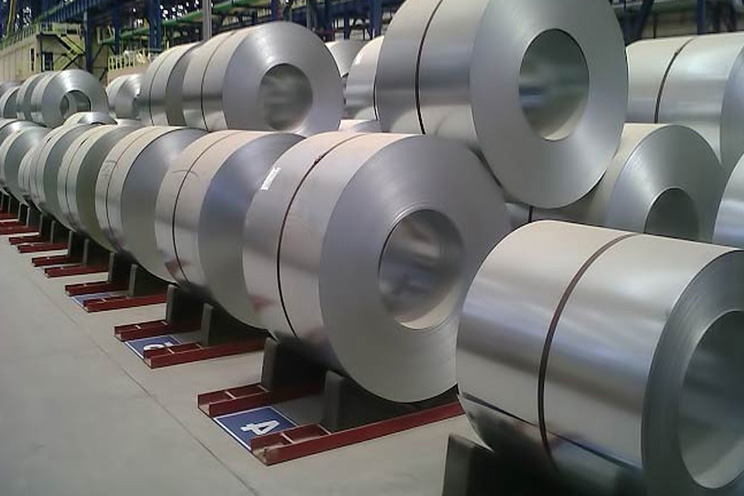
MS/SS/GI sheets plates & coils
Steel is an iron composite that has developed its chemical and physical properties. Alloyed with approximately 0.2 percent and 2.15 percent of carbon are the most frequently used steel sheets and plates, although certain steel sheets and plates can be identified that are alloyed with other components such as tungsten, chromium, vanadium, and manganese. Steel sheets and plates have been used since ancient times with stainless steel 304 sheets being the most commonly used grade. Steel sheets were manufactured inefficiently and expensively before the Bessemer method was developed in the mid-19th century. Metal has also been commercially manufactured in various ways, including metal wire, metal plate, and sheet metal.
Plate and sheet are terms that are used to define the metal type according to its thickness. While sheet metal is less than 3 mm thick, plate metal of course is more than 3 mm thick. Some that get confused by classifications like plate, cover, foil and others, but there’s no need to be since their variants are clearly written down. Mostly we use phrases like plate and board in terms of product metals.
Plate metal is any piece of metal that is 6 mm thick or larger. Plate metal is used in systems where reliability is of greater value than weight savings. This is used in cars where it needs longevity to undergo crash inspection.